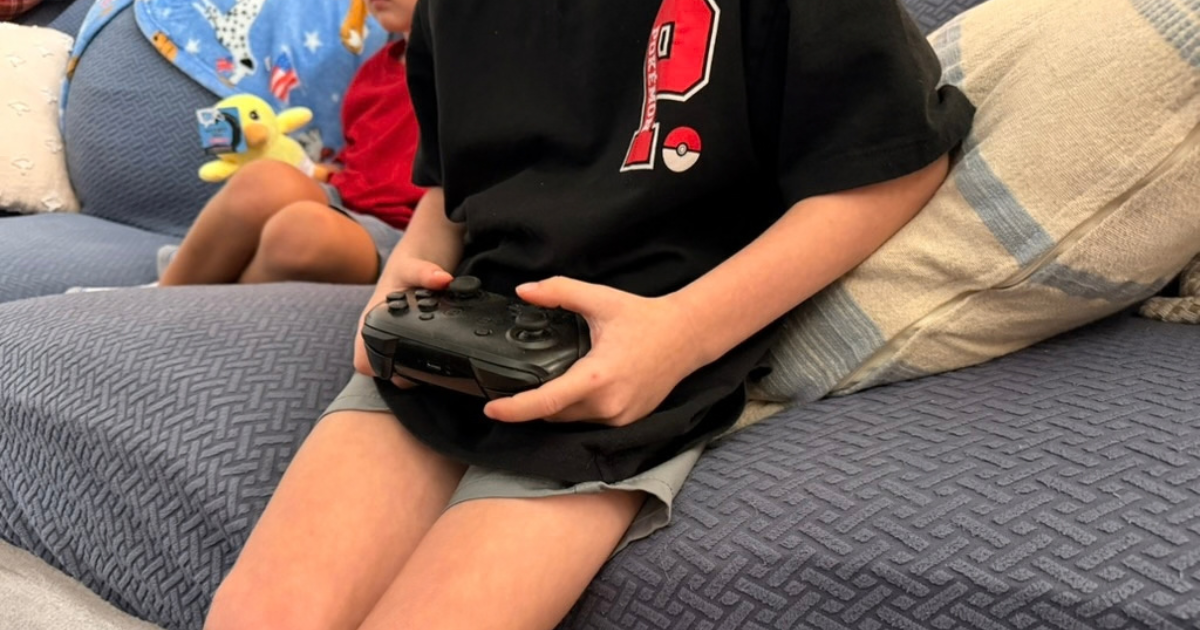
I love video games, even though I don’t play as much anymore. Being a dad has definitely changed how much time I can put into my old hobby.
Meanwhile, my eldest has discovered and embraced gaming this year. While he loves to play, he hates to stop, which has caused some problems around the house. I have core memories of playing video games, having the time of my life with friends, and more. I want him to experience that same thing, but attempting to make him stop has soured everything.
Video games can have a profound impact on people, and I think about that often when we are in the midst of a struggle. Because I loved that part of my life so much, I want him to be able to enjoy it as well, but we haven’t found a way to make video games and kids to work without issues yet.
My 1st Nintendo Christmas
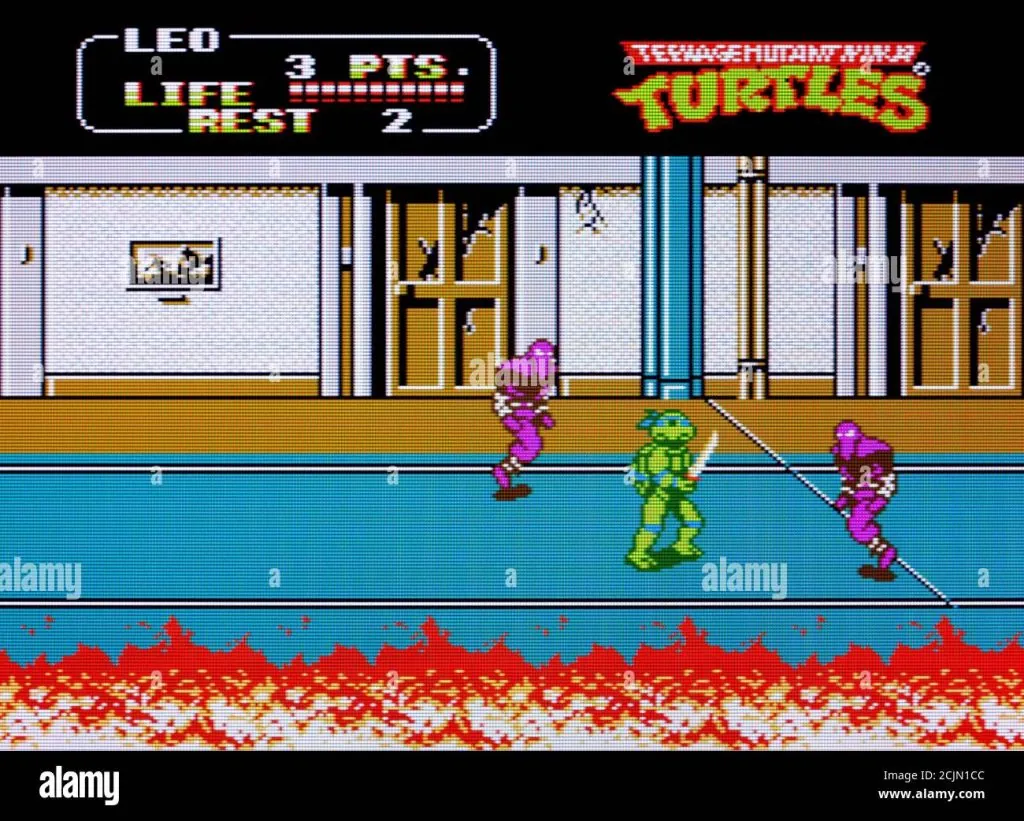
I remember the Christmas morning when I was four or five years old and the Nintendo Entertainment System (NES) waited for me. Santa had hooked up the Nintendo to the giant CRT tv we had in the living room, and the old-school Teenage Mutant Ninja Turtles arcade game was already booted up when I came into the living room.
I was immediately in love.
That NES got played all the time. Mario and Duck Hunt got played almost as much as that Ninja Turtle game (I did play and loved the first TMNT game, but it was so hard!).
I would love when my cousins or friends would come over, and we’d run through the aisles at Blockbuster or Hastings to find a game to rent for the weekend.
That Nintendo got played into the ground until better systems came out.
When my Uncle passed away, I managed to track down an original NES for my cousin. I wanted him to remember some fun times from before, instead of the misery we were all experiencing. I would stay with him playing until the early hours of the morning before I’d have to go home for school or work.
The Nintendo helped us bond and heal—as much as one can during such traumatic times.
Those early days taught me a lot about life. There have been studies done on people my age about how Nintendo helped shape their brains. I remember throwing controllers in rage, but I also remember problem-solving and learning to save when I could because you never knew when something would happen. While controlling the characters on the screen helped my hand-eye coordination, the brutality of the games taught me perseverance, patience, and the reward of taking risks.
I don’t think those things are prevalent in video games anymore.
I don’t remember having an issue ending sessions of video games either. Of course, none of it sticks out. My mother doesn’t remember me acting that way either, but that happened a few decades ago and memories can paint a prettier picture than reality.
Super Metroid Memories
I never had a Super Nintendo. I don’t understand why I ever went with a SEGA Genesis, but I never made that mistake again. That same cousin from earlier did and I spent so many sleepovers at his house.
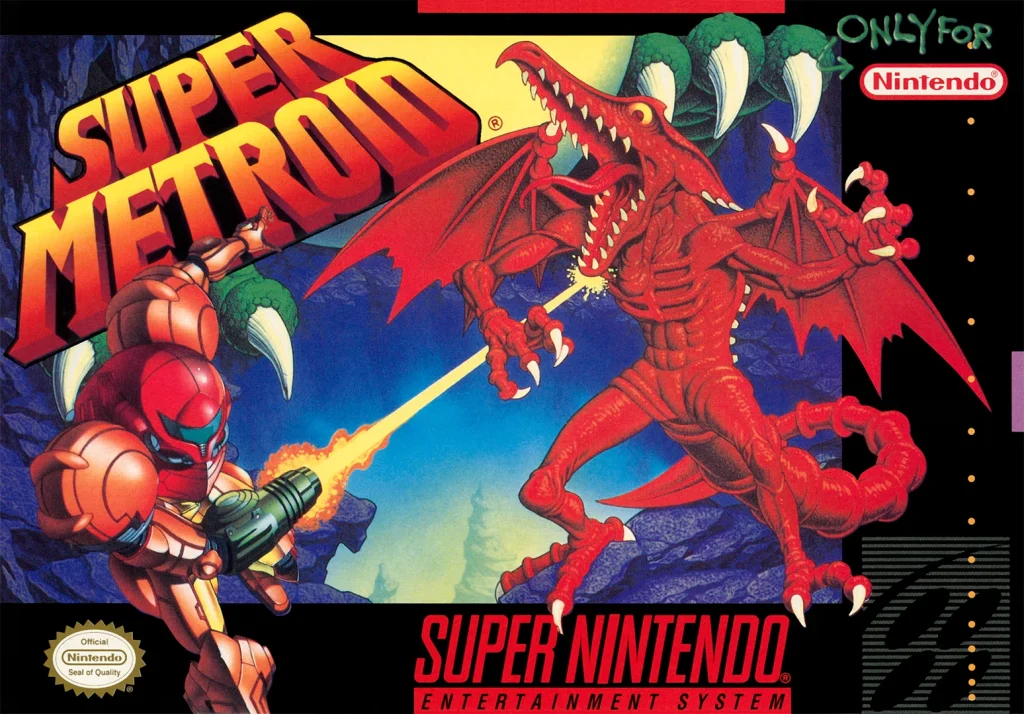
There were so many times when we would go rent Super Metroid because neither one of us owned the game. We would spend hours playing, taking turns when someone died or needed a bathroom break. We would work together to discover secrets throughout the level.
Every time we would get to a point in the game, just before the Ice Beam, and we would get stuck. We never knew what to do.
But we never stopped trying to figure it out. We developed a persistence returning every week to try again.
Earlier this year, the kids and I came down with the flu. Once, the kids both took a nap and I thought it would be a good time to check out Metroid Prime 4 on my Nintendo Switch 2. I downloaded it and started to play. My son would later find the game and become obsessed with Metroid in general.
I didn’t think it would be a suitable game for him, but he wouldn’t relent. I remembered how the game would make us search and explore, and I wanted that for him. He watched as I played a little, and I tried to get him to play Super Metroid instead.
Eventually, he took over the controller, but things didn’t go as I planned. I expected him to act like I did and figure out the game and take on the challenges. Instead, he asks for help every 30 seconds. He refuses to try anything he’s unsure of.
I try to stand strong and let him figure things out. I tell him that I can’t help him, that he needs to be brave, and that making mistakes is just part of figuring things out. However, he always responds with crying and whining, which makes me question my decision to say no.
On the flip side, I know that he won’t be asking for help forever. He won’t want me playing with him soon. With this in mind, I usually cave in and help him out. I hope that it shows him how I explore and take risks in the game, which aren’t as risky because of saves.
Ocarina of Time
I’m not sure when I became obsessed with The Legend of Zelda, but I do remember saving up money to preorder The Legend of Zelda: The Ocarina of Time.
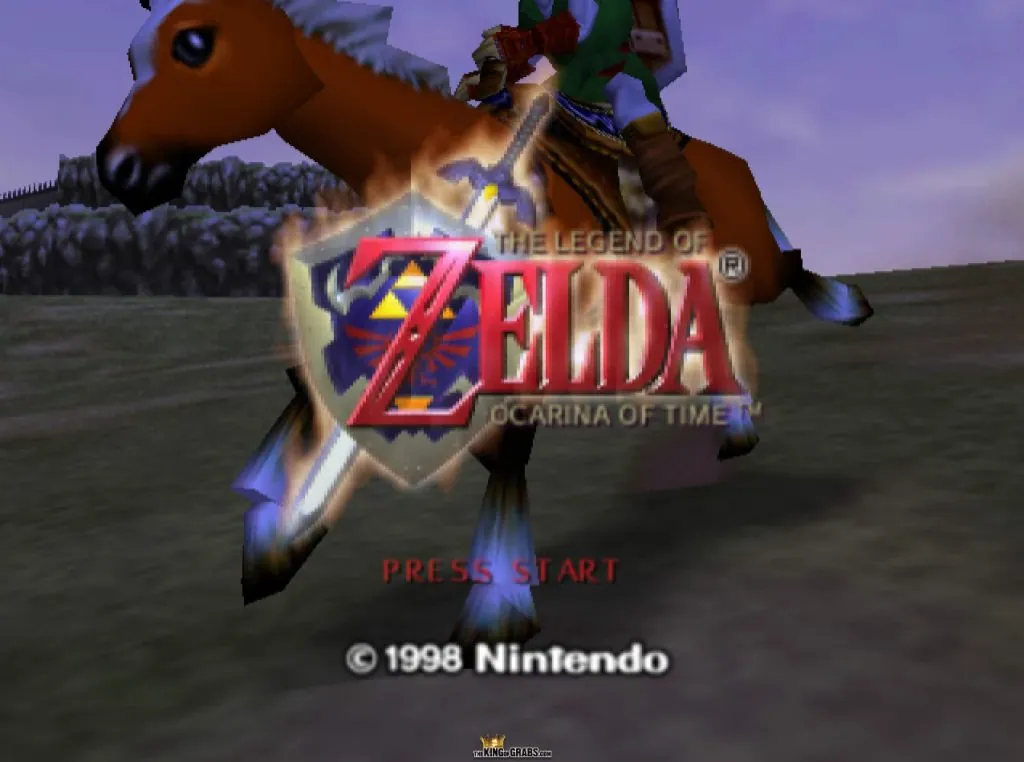
My mom picked the game up for me while I was at school. I raced home as soon as that last bell rang and popped the greatest game of all time into my Nintendo 64.
It felt fortunate that the game came out right as Thanksgiving holidays started. I played that game all day and night, with only a few breaks during the week. My mom took me to play tennis for exercise and to get together with my family for the big meals. I stayed up and played the game until two in the morning, would wake up at ten, say hello to my mom and jump back into Hyrule.
Even at the time, I knew it wasn’t the best thing to do, but at the same time, I loved it.
Now, I question how long my son can play. It’s not that I don’t want him playing video games, it’s that he becomes all-consumed with them. He doesn’t know when to turn them off. When it is time to turn the games off, he is likely to become angry and mean.
Screen Time And Anger
My son had dabbled in video games through his life. Whenever he got sick, he would get tired of TV, and he would ask to watch me play some video games. I would try to play some Mario or something lighthearted and fun. He would enjoy watching and not ask to play.
At first, I didn’t think much of it. As he grew, he became addicted to screens. If a screen came on anywhere in the house, he would be drawn to it like a moth to the flame. I noticed and tried to reduce the number of screens on at home because not only would he become drawn in, he turned into a zombie.
It became even worse when he had to get off a screen. While he had a tablet and used it to great effect—I’m pretty sure the tablet helped him learn to read at age three—whenever it was time to turn the device off to go somewhere or do something else, he couldn’t manage his emotions. He would have a giant meltdown.
These meltdowns consisted of screaming, hitting, throwing things, and just acting like a jerk to everyone. We had to take his tablet away, something we still only get out when we are traveling.
This being my first kid, I did not come equipped to handle these kinds of meltdowns. I tried to ignore him when he got angry and mean, but he would just escalate until he pushed me too far. This would end up in everyone getting upset.
One day, I saw a system that someone used to help kids regulate screen/tablet time. I wrote out times on sticky notes and put them on the wall. He could use his tablet as he wanted, but he had to give me one of the sticky notes. I could also reward him with good behavior with extra stickies. When he ran out of stickies, he was out of time and couldn’t use his device anymore.
For a few weeks, this worked great. It worked so well that I gave him more privileges. He had also somehow learned about Roblox from friends at his schools. As he got better with his emotions and he continued to beg me for Roblox on his tablet, I relented. I installed it on his devices and mine, thinking that we could play together.
But I didn’t like the game, and it wasn’t very enjoyable for me. Plus, since I was always at everyone’s beck and call, it felt like when he was on his tablet was the only time I got for myself.
But after a few Roblox sessions, he would blow all his time cards and the meltdowns came back. The system wasn’t working anymore, and I grew to despise Roblox.
So, I put the tablets away again.
I also had seen the study about 90s kids and video games. He loved playing video games, just like I had, so I didn’t want to take away something that he really loved. So after the tablets went away, I let him try Nintendo. I figured it could help his problem-solving and patience, plus it would allow him to continue to play.
It worked for a while, and he grew to love Nintendo more than he did Roblox, only the meltdowns continued. Getting off the Nintendo wasn’t fun for anyone.
I thought about taking the games away again, but I just couldn’t bring myself to do it. I would rather work through to solve the issue than just punish him for it. Plus, I could see how much he loved playing.
I’ve tried countless strategies, from using timers and warnings to having activities lined up for when his time is up. I’ve sat with him and talked to him about it. We allowed him extra time to find a stopping point. None of these methods produced welcomed results. He just couldn’t deal with turning the games off.
Using Family Restrictions Helps
I looked into Nintendo’s parental features. While they aren’t the best for a shared system, they do work.
I placed time limits on the device. Currently, he gets an hour to play. The Nintendo will pop up a notification when he has 30, 15, 10, 5, 3, 2, and 1 minute left, which I love. It does give him an indication that his time is coming to an end, but I think it also can increase his anxiety.
Sometimes the system turns off and he’s great. He was prepared to stop, other times, the monster gets unleashed again.
I would love to get to the point where he can regulate himself enough to get rid of the timers. As it is now, he would rather play Nintendo than do anything. If he starts that hour, he wants that hour. If anyone comes over and asks him to play, he will refuse, choosing the screen instead.
So, I’m looking for ways to teach him to balance that time as well.
On a personal note, while I love these parental features for him, I don’t like them for me. In fact, it has curbed my usage of our Switch. The timer is system-based instead of player based. So, if I were to play before he got home from school, my play session would count against the timer.
While I’ve only sat down to play video games a handful of times since they were born, I feel like having a personal playing session wouldn’t go over well. They would get sucked into the game and start telling me what to do. However, I might see what happens when The Ocarina of Time Remake comes out next month.
I do try to game when the kids are asleep, but by then I’m not even sure how long I can play because I’m usually exhausted.
Getting Older
My son is getting older and things are getting better when it comes to gaming. When it’s time to turn off the games, he doesn’t have nearly as many meltdowns, but they aren’t completely gone.
When I pick him up from kindergarten, he always asks if he can play Nintendo, and I usually let him (if he does his math homework first) and he plays. For a while, he got much better about it and would go weeks or days without screaming and crying when time was up.
Then he got sick and I let him have more time than normal, which turned out to be a mistake. For days afterwards, he would lash out when it was time to get off. One day he took the controller, dropped it to the floor, and stood on it, threatening to break it.
He lost a day of playing after that, but it also made me wary of giving him more time in the future.
Throughout the entire process, I’ve hated having to play the gatekeeper. I know he needs to learn how to regulate his time and emotions.
But I’m not sure how to teach that, since I didn’t have that many problems with it. Managing all this screen time has really opened my eyes to the downsides of modern technology.
That said, I’d love to have moments with him like I used to have. I’m super excited for the Ocarina of Time remake to come out and I hope he plays it with me some. I think about this every time he asks me to play. I grow conflicted because I want to get things done while he is preoccupied, but I also want to spend time with him—the age-old parental conflict.
He has recently gotten into Pokémon—something I feared for the longest time. I’ve tried to set it up so that we could play the games at the same time on some older devices. That way we could trade and work together, but he doesn’t seem to stick with one game for long.
A 1-Up
As with most parenting, I’m going to figure this out as I go. I’m sure it will be like a moving target, that I’ll have to constantly adjust for.
I know that eventually, he’ll get control of his emotions and his ability to manage his playing time. I’m sure he’ll have something similar to my nights playing Mario Kart 64 with friends and I won’t be invited at all.
I just want to get it right for the both of us. I hope that one day, we can play together more without worrying about what’s going to happen when the time limit is up.
If you’d like to see more of my parenting content like this, make sure to swing by my Parenting & Life hub, where I share things like this, stories of our adventures, and the wild times I’ve had as a stay-at-home dad.
Also, check out my favorite Switch games from a few years ago. Would you like to see a new update to this?
Do you have any suggestions for ways to temper that rage once the screens go off? I’d love to hear it, as I’ve tried timers, planning the next activity, being close to them, and more. Leave me your advice in the comments!

Leave a Reply